

Guide
When to visit Victoria Falls: water levels, rain and heat
By Fallsview Guest House · Published · Updated
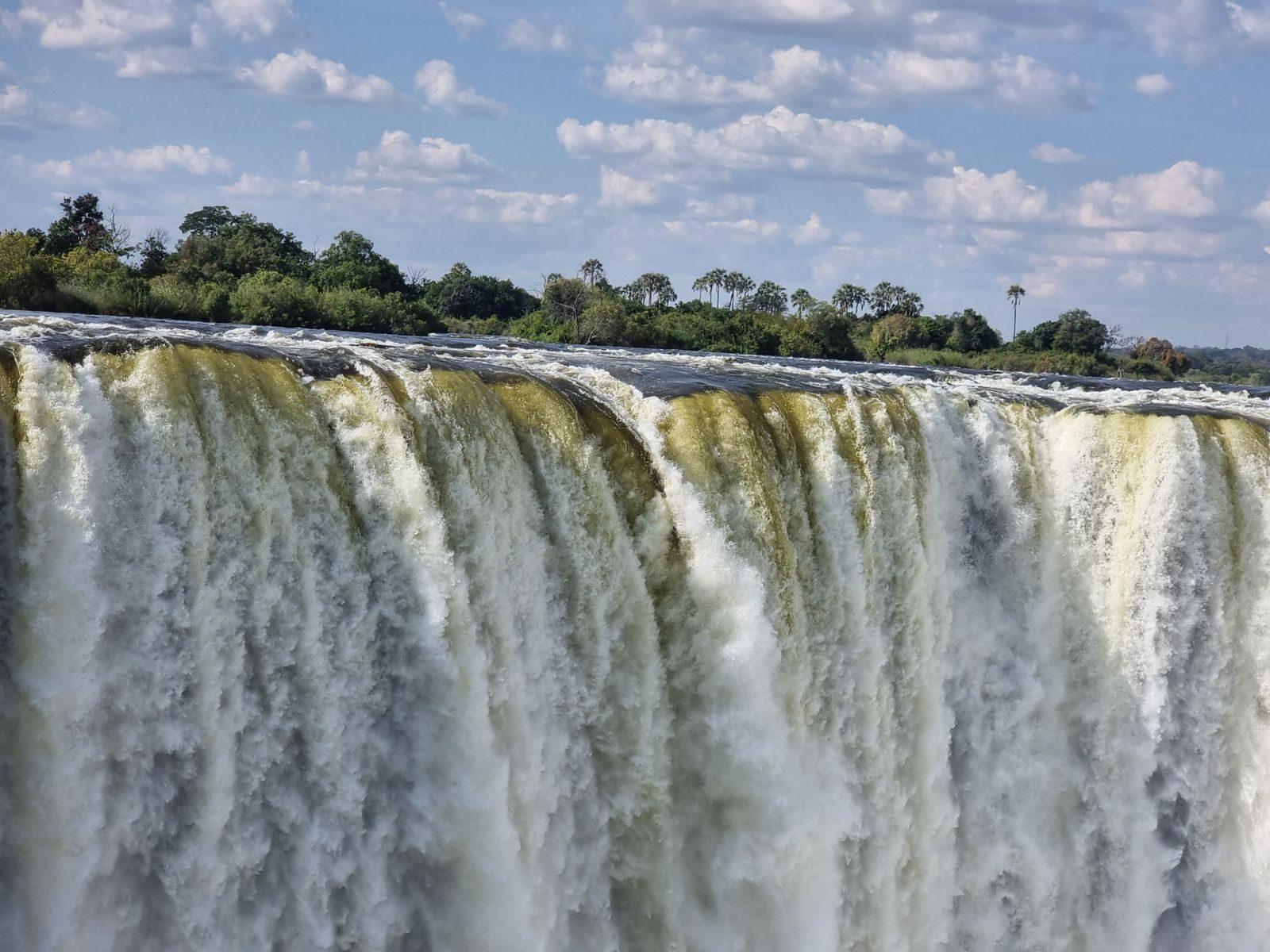
There's no bad month to see Victoria Falls, but the Falls look very different through the year. The best time to visit depends on what you want: the full roar and spray of high water, a clearer view of the rock face at low water, or the greener months of the rainy season.
The short version: the Zambezi usually runs highest from about February to May, and lowest around November. Most of the year's rain falls between November and March. This guide explains what that means on the ground and how to plan your stay and activities around it.
The seasons at a glance
- About February to May: high water. The river's flood season usually peaks around April. The Falls are at their fullest and the spray is at its biggest, so expect to get wet and for parts of the Falls to be hidden by mist.
- About June to August: falling water and dry, cooler weather. There's still plenty of water going over, and the spray starts to ease.
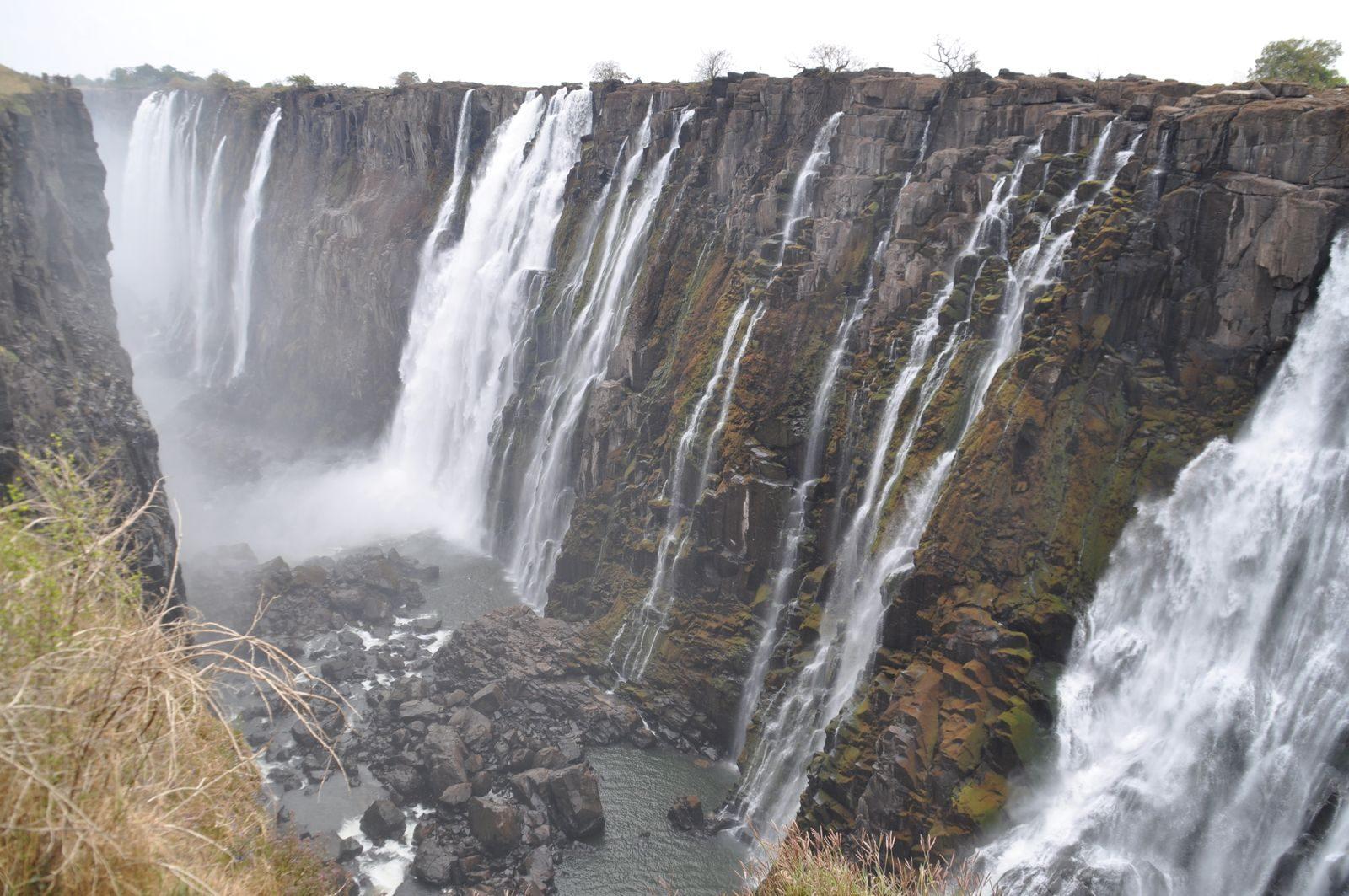
- About September to December: low water. Flow is usually lowest around November, more of the rock face is visible, and October and November are the hottest months.
- About November to March: the rainy season. Rain usually starts around November and is heaviest in December and January.
These are patterns, not fixed dates. A wet or dry year upstream can shift them by weeks, so if your trip depends on high or low water, ask us what the river is doing before you book.
How the water level changes through the year
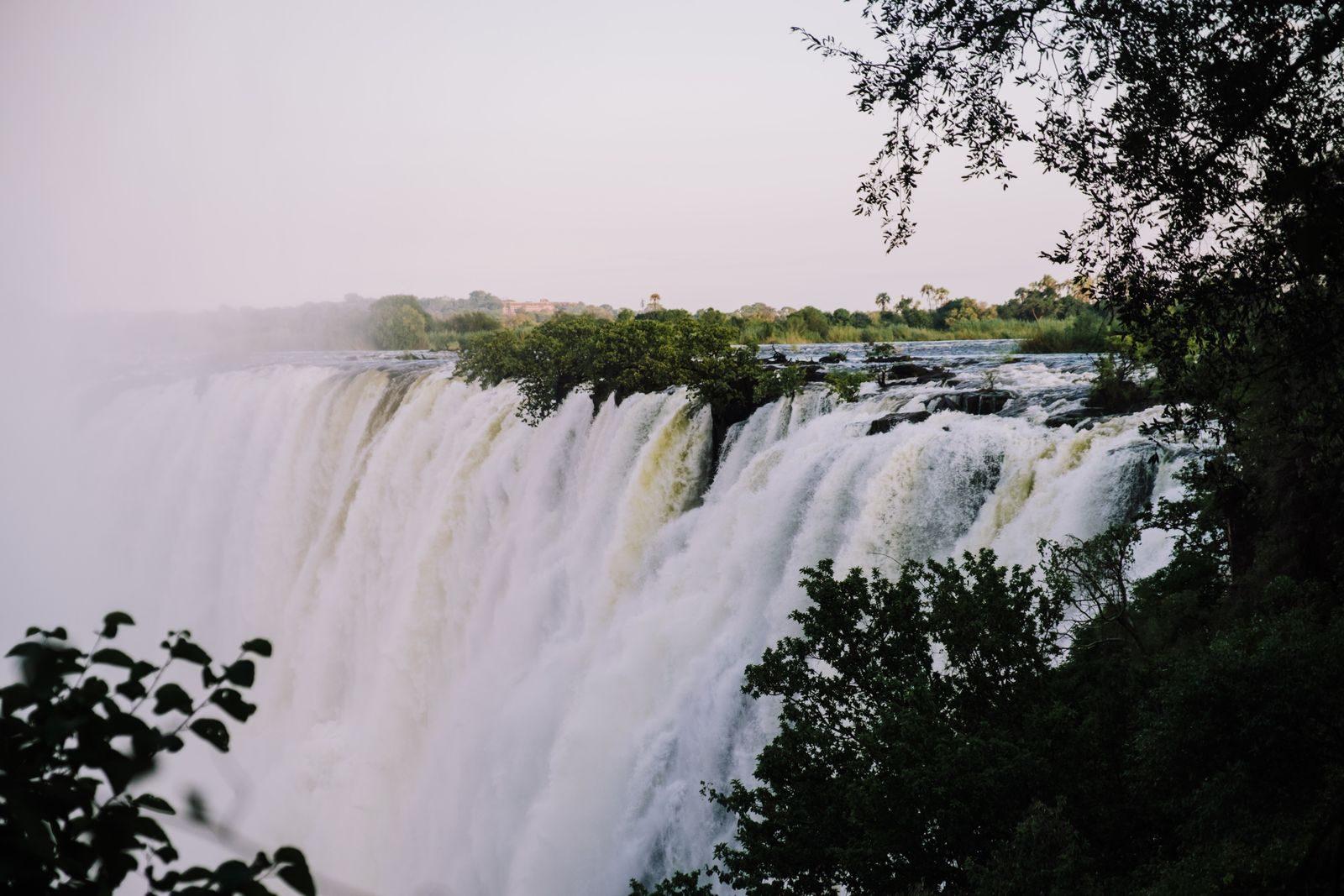
Most of the water going over the Falls comes from rain that falls far upstream in the Zambezi's catchment. That's why the Falls don't peak when it rains in Victoria Falls town. The flood builds from about February and usually peaks around April.
At high water the spray rises high enough to be seen from well outside town, and on the paths facing the Falls you can get as wet as in heavy rain. It's the most dramatic time to visit, but photos are harder and some viewpoints show more mist than waterfall.
After the peak the river drops through the dry months. By around November the flow is a small fraction of what it is in April. Some stretches of the Falls on the Zambian side can run close to dry at this time, while most of the remaining water usually goes over on the Zimbabwean side, the side we're on.
If you want to check the river yourself, the Zambezi River Authority publishes recent flow readings for the Zambezi at Victoria Falls. Zambezi River Authority river flows
Visiting in the rainy season (November to March)
The rainy season is often called the green season. The first rains usually arrive around November, at the end of the hottest part of the year, and December and January are normally the wettest months.
Early in the season, in November and December, you get the low-water view of the Falls together with the start of the rains. From about February the river rises again and the Falls fill out. Rain rarely stops sightseeing altogether, but it's worth keeping a free half day in your plans in case the weather turns.
November is also one of the hottest months. Plan walks and outdoor activities for the cooler early morning or late afternoon where you can, and carry water.
Planning activities around the season
Some activities change with the river and the weather. Whether a water-based trip such as white water rafting runs on your dates depends on the water level and conditions, and the operator decides. Guided Falls tours, game drives and cultural village tours are less tied to the river, though weather can still affect any outdoor activity, including helicopter flights.
Tell us your dates and the activities you're interested in. We check with the operators who run them and confirm what's running, the price and what's included before anything is booked. See the activities we can help arrange
In the rainy season, an extra day gives you room to work around a wet afternoon. How many days to spend in Victoria Falls
What to pack for the season
- A rain jacket or poncho, for rain from November to March and for the spray at high water.
- A waterproof bag or cover for your phone and camera, especially from about February to May.
- Sun protection, a hat and a refillable water bottle for the hot months.
- Shoes with good grip for wet paths near the Falls.
- Insect repellent and long sleeves for the evenings. Ask a doctor or travel health clinic about malaria precautions before you travel.
Staying at Fallsview in any season
Fallsview Guest House is about 8 minutes by car from the Victoria Falls entrance and about 20 minutes from Victoria Falls International Airport. That makes it easy to go back to the Falls on another day if the light, the spray or the weather wasn't right the first time. Directions and arrival information
On a wet or very hot day you can eat at our restaurant, and our laundry service helps if your clothes come back soaked from the Falls. Airport and border transfers are available on request. Compare our rooms
When you enquire, tell us your dates, how many adults and children are coming, and any activities you're considering. We'll reply with availability and a quote. Check availability